
My name is Isabella, and I’m part of the Health, Safety & Wellness team at ISI Florence. I was born and raised in the US until my family and I moved to Florence in 2020. For the past six years, I’ve had the opportunity to explore Italian culture, including the topic of today’s article. For more information about pharmacies, parapharmacies, and herbalist shops in Florence, read on!
Long CVS receipts, stale chocolates left over from last year’s Halloween at Walgreens, neon orange Rx bottles. Your local pharmacy, whatever the franchise, is anything but romantic. What started as an ancient tradition of natural remedies and even spiritual healing has over the centuries, in the United States, morphed into your go-to solution for whenever you need to buy Vicks VapoRub and beef jerky in one go. Italy, however, hasn’t strayed too far away from tradition.
While it may not be the first point of interest in Florence, there has been a surge in mentions of the Italian pharmacy that visitors must check out. Blog writers and internet personalities alike mention that they’re a hotspot for personal care products, with discounted prices and hard-to-find brands. However, the remnants of traditional apothecary culture in Italy stem beyond the myriad viral Marvis toothpaste flavors…
Pharmacies
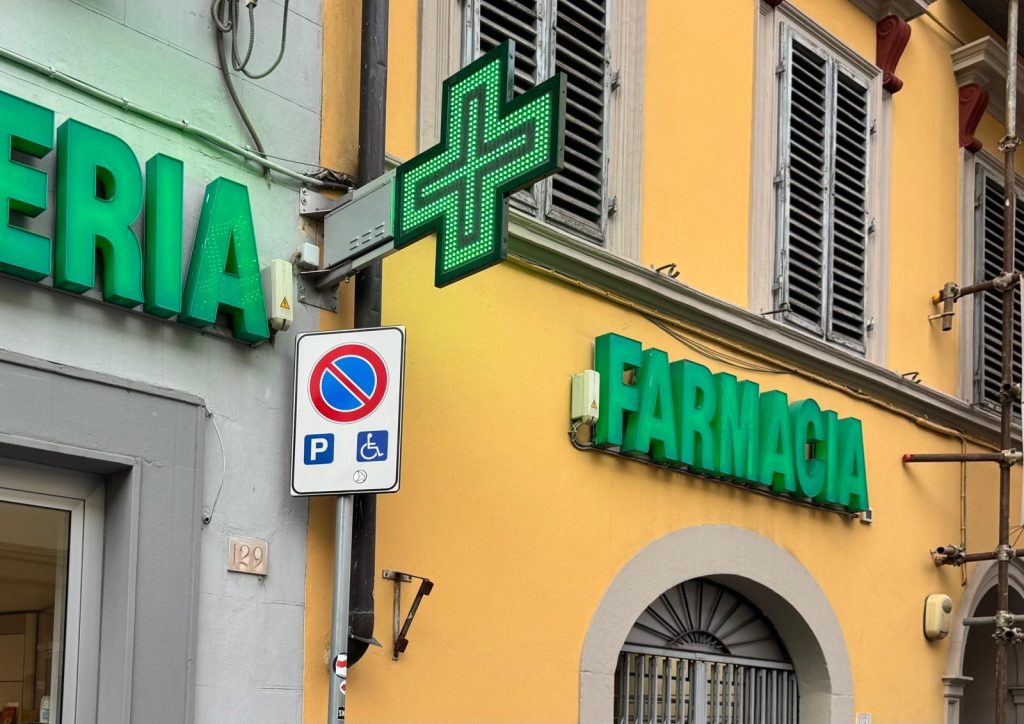
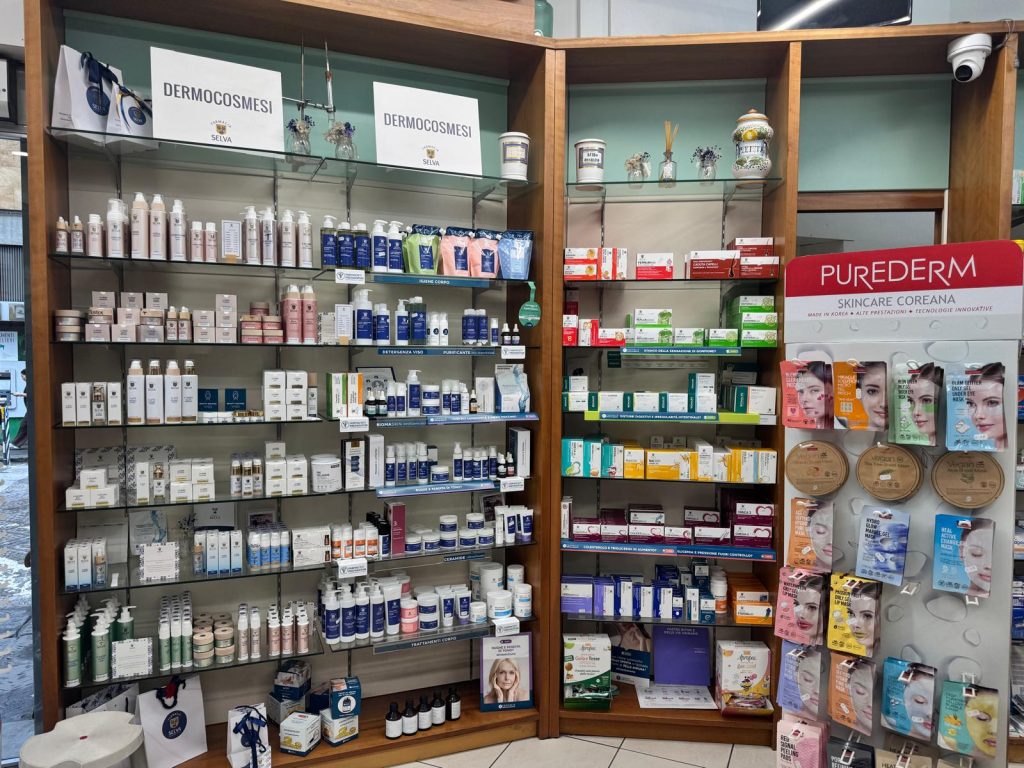
La Roche-Posay, Caudalie and Nuxe aside, pharmacies in Florence are a great resource for needs that go beyond satisfying your deepest skincare desires. They could come in handy a lot more often than you may realize.
You can use pharmacies to treat any minor health condition that may come up; a common cough or cold, a rash, or a small injury is no trouble for an Italian farmacista. The best part is that if your concern is too serious for a pharmacist to handle, there’s no harm done! At most, they will suggest you see a doctor, since your issue may be beyond their expertise.
Parapharmacies

There is no need to feel ignorant if you’ve never heard the word parapharmacy before. From personal experience, I’ve even met locals who tilt their heads in confusion at the word. The most important thing to know about parapharmacies is that you cannot buy any prescription medication, as they do not carry any in stock. This means they are closer to retail stores that sell Italian skincare must-haves, as well as personal care products and over-the-counter medications. Parapharmacies are a bit less common throughout the city, since traditional pharmacies offer the same services and more.
If you’re asking yourself why these stores still exist, even without access to prescription drugs, we can look back to their apothecary roots for an answer. To work at a parapharmacy, you must still be a fully certified pharmacist in Italy. So even if you can’t pick up your monthly prescription, the pharmacists here still act out the traditional aspect of the apothecary. Thanks to their knowledge about ingredients, chemical substances, and how they work together to produce desired results, all pharmacists can assist you in finding the right solution. In Italian culture, many people still rely on pharmacists’ opinions when shopping for personal care products, leaving space in the market for such retail stores.
You can typically spot a parapharmacy around town with a big, bright blue cross out front (in contrast to a pharmacy’s classic green cross).
Herbalist’s Shop

Centuries ago, apothecary was the term used for a professional who worked to heal others by using medicinal plants. Today in Italy, herbalist shops, or erboristerie, are the closest version of this almost obsolete profession. While it may seem like something out of a storybook, they are still active in Italy. As in traditional apothecaries, these shopkeepers mix different herbs, plants, and spices to address their customers’ medicinal needs. Herbalists mostly sell over-the-counter medicinal teas, creams, oils, tinctures and supplements.
However, with so many brands and cosmetics at our disposal, you may ask yourself, why is there a need for herbalist shops as well? In Italy, this profession is actually taken quite seriously. To operate said shops, you must have a college degree in Scienze e Tecnologie Erboristiche (Herbalist Science and Technology) or in a similar field such as pharmaceuticals. This demand reflects how highly personalized, one-on-one care remains a priority. When an Italian enters an herbalist’s shop, they’re looking for a personalized experience with someone knowledgeable and willing to find customized solutions to their specific needs.
Curious to find out more? ISI Florence is happy to provide students with multiple resources on accessing pharmacies, parapharmacies, and herbalist shops. Both our Student Guidebook and our Wellness Guide provide useful information about local pharmacies. For more specific questions about this, never hesitate to reach out to our staff at the Health, Safety & Wellness Office!